

How to Care for Your Paint Protection Film Maintenance Tips and Tricks
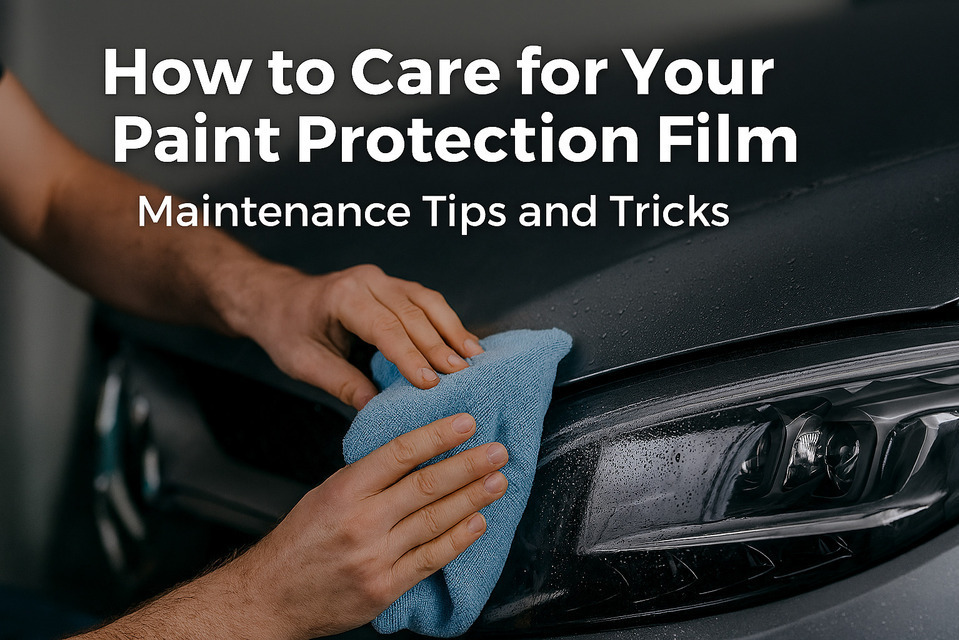
Paint Protection Film (PPF) is one of the smartest investments you can make for your vehicle’s finish. Acting as a virtually invisible shield, it defends against stone chips, road debris, insect splatter, and harmful UV rays — all while preserving the depth and gloss of your paintwork. And it’s not just for cars — we also recommend PPF for mountain bikes to safeguard frames from gravel spray, cable rub, and trail debris, keeping your ride looking fresh season after season.
Like any high‑performance product, PPF delivers its best results when it’s cared for correctly. Below are the essential maintenance practices to keep your film looking pristine and performing as intended.
Wash Regularly — But Gently
Frequent washing prevents dirt, grime, and contaminants from etching into the film. Use a pH‑neutral automotive or bike‑safe shampoo and a soft microfiber wash mitt to avoid scratching. Work in straight lines rather than circles to minimise swirl marks. Always rinse thoroughly to remove soap residue, which can dull the finish over time.
Pro Tip: Skip automated car washes with harsh brushes. For bikes, avoid high‑pressure spray directly at film edges.
Dry Without Streaks
After washing, use a clean, plush microfiber drying towel or an air blower to remove water. Trapped moisture can leave mineral deposits, especially in areas with hard water. Blot rather than wipe to avoid dragging particles across the surface.
Protect from Prolonged Sun Exposure
While most premium PPF is UV‑resistant, constant direct sunlight can still accelerate wear. Whenever possible, park your car or store your bike in a shaded area, garage, or under a quality cover. This helps maintain both the film’s clarity and the underlying finish.
Apply a PPF‑Safe Sealant
Applying a ceramic coating or sealant formulated for PPF adds an extra hydrophobic layer, making future cleaning easier. These coatings can also enhance gloss and provide an additional barrier against environmental contaminants. Avoid waxes or products with naphtha or kerosene, which can degrade the film’s adhesive.
Inspect and Address Contaminants Early
Bird droppings, bug splatter, and tree sap are acidic and can stain if left too long. Remove them promptly using a PPF‑safe cleaner and a microfiber cloth. For stubborn spots, soak the area with a warm, damp microfiber towel before gently lifting the contaminant away. On bikes, pay attention to dirt build‑up around cable housings and chainstays.
Avoid Harsh Chemicals
Skip degreasers, solvent‑based cleaners, and abrasive polishes. These can damage the topcoat of your PPF, leading to haze, discolouration, or peeling at the edges. If you’re unsure whether a product is safe, check the manufacturer’s recommendations or test on a small, inconspicuous area first.
Handle Edges with Care
When washing or drying, take extra care around the film’s edges. Aggressive rubbing or snagging the edge with a cloth can cause lifting. If an edge begins to peel, don’t attempt a DIY fix — have it professionally inspected and re‑sealed.
Seasonal Care Adjustments
-
Winter: Road salt, de‑icing chemicals, and gritty slush can damage film. Rinse cars and bikes more frequently during cold months to prevent residue build‑up.
-
Summer: Increased insect activity and dust call for more frequent spot‑cleaning.
When to Seek Professional Help
Even with the best care, PPF can sustain damage from extreme impacts or environmental factors. If you notice yellowing, bubbling, or deep scratches, a professional installer can assess whether the affected panel or bike section needs repair or replacement.
Final Word
Your Paint Protection Film is more than just a cosmetic upgrade — it’s a long‑term investment in your car and your bike’s value and appearance. By following these straightforward care tips, you’ll maximise its lifespan and keep your paint or frame looking showroom‑ready for years to come.